The bigger question: Are we solving the right problem?
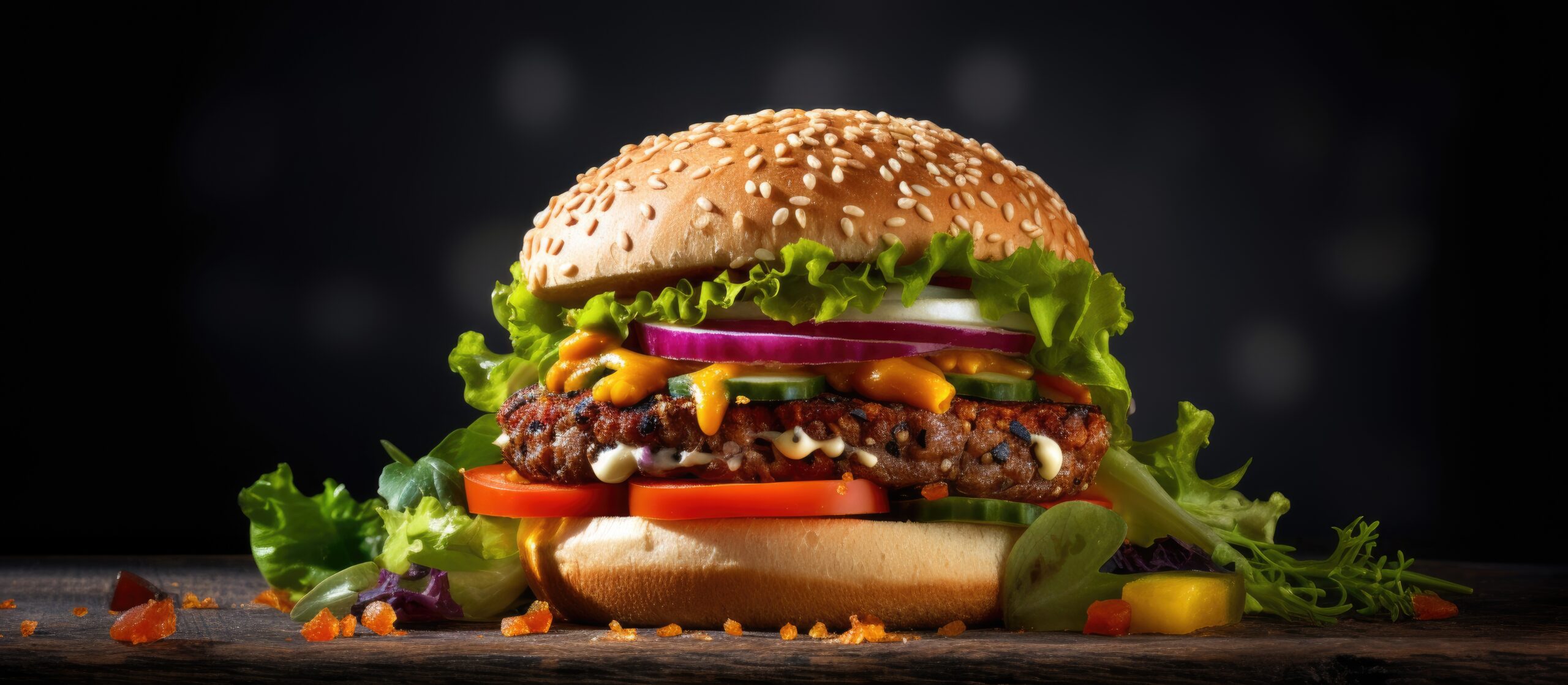
Europe’s consumers use “burger” and “sausage” to signal format and preparation, not animal origin. Evidence suggests clear qualifiers (“plant-based/vegan”) plus existing EU labelling rules already protect against deception, while avoiding new barriers to trade or SME re-labelling costs. (BEUC)
Meanwhile, food security and resilience have moved center-stage in EU politics, and in today’s evolving trade environment, they require greater focus. A balanced approach should strengthen European protein and food system autonomy, reward innovation across the value chain (including on‑farm), and protect farmer livelihoods—without confusing shoppers or entrenching camps.
Reasons for optimism: Denmark’s model.
Denmark’s leadership. With deep agricultural roots, Denmark adopted the world’s first National Action Plan for Plant-Based Foods. During its EU Council presidency (H2 2025), it is hosting the Plant Food Summit to share practical tools with other Member States—an approach focused on solutions, not semantics. (FVM)
What’s Next? A pragmatic, balanced way forward (high‑level)
Stakeholders will now need to re-engage on the ‘Burger Battle’. And should focus on the following:
- Put consumer clarity first. Use familiar culinary language alongside clear product descriptors so shoppers instantly understand what they’re buying and how to use it—without creating new confusion.
- Be precise and proportionate. Where protection is justified, apply targeted, harmonized, trade-compliant rules rather than sweeping restrictions on everyday words.
- Rely on guidance before new bans. Address edge cases through practical EU guidance and consistent enforcement, ensuring the internal market remains workable for SMEs.
- Anchor the debate in shared outcomes. Focus on food security, system resilience, farmer opportunity, competitiveness, and innovation—not polarising semantics.
Call to action: Reframe around food security & resilience — with our deep dairy and plant-based expertise.
Confident Strategy Group (CSG) brings over 10 years of strategy, public affairs, and issues management across both dairy and plant-based sectors—experience that helps convene stakeholders instead of sending them to their corners. Our CEO, Jeanette Fielding, has worked on both sides of the aisle: She helped lead the AM171 mitigation effort and also played a founding role in the European Alliance for Plant-Based Foods (EAPF), championing fair and evidence-based rules. Recently, CSG prepared a 30-year outlook for a regulator on the dairy industry, grounding our advice in the realities of the dairy industry and value-added dairy supply chains, as well as the fast-growing plant-based market. This is the bridgework the debate needs now.
How we partner — with a food‑security & resilience lens (and with respect for Europe’s culinary heritage and livestock sector)
- Strategic framing & alignment. We bring stakeholders together around shared outcomes—such as food security, system resilience, consumer clarity, and competitiveness—so the conversation moves forward constructively.
- Evidence-informed narrative. We translate data and legal context into clear, balanced messages for policymakers and the public, keeping consumer understanding at the center.
- Policy engagement & consensus‑building. We support proportionate and harmonized approaches, facilitating dialogue that turns principles into workable, EU-level solutions.
- Portfolio & labelling resilience. We advise on naming and pack architecture that remains compliant and consumer-friendly across regulatory scenarios.
- Risk & scenario planning. We help leaders anticipate impacts and adapt with minimal disruption—keeping farmers, SMEs, and consumers at the forefront.
If your organization wishes to further the discussion, CSG is prepared to collaborate on a resilience-first, food security strategy that benefits consumers, farmers, and market competitiveness.
References:
-
- European Parliament, Committee on Agriculture and Rural Development (AGRI). Amendments 25–685 to the draft report “Strengthening of the position of farmers in the food supply chain” (PE773.314v01‑00). Amendment 645 (meat‑related terms). Published May 14, 2025. Accessed September 15, 2025. https://www.europarl.europa.eu/doceo/document/AGRI-AM-773314_EN.pdf.
- The Brooks Institute. European Parliament Committee Advances Proposal to Restrict Use of Meat Terms. Published September 10, 2025. Accessed September 24, 2025. https://thebrooksinstitute.org/animal-law-digest/us/issue-312/european-parliament-committee-advances-proposal-restrict-use-meat-terms.
- Mridul A. EU Agriculture Committee Votes to Ban Meaty Terms on Plant‑Based Labelling. Green Queen. Published September 9, 2025. Accessed September 19, 2025. https://www.greenqueen.com.hk/eu-parliament-agriculture-committee-vote-plant-based-meat-ban-vegan-label/.
- Arboleas MS. Commission excludes ‘steak’, ‘sausage’ from crackdown on veggie meat labelling. Euractiv. Published July 15, 2025. Accessed September 15, 2025. https://www.euractiv.com/news/commission-excludes-steak-sausage-from-crackdown-on-veggie-meat-labelling/.
- European Commission. Proposal for a Regulation … amending Regulation (EU) No 1308/2013 … the possibility for marketing standards for cheese, protein crops and meat (COM(2025) 553 final). Published July 16, 2025. Accessed September 26, 2025. https://ec.europa.eu/transparency/documents-register/api/files/COM%282025%29553_1/090166e51f84b8c7?rendition=false.
- France 24 (AFP). EU court blocks French ban on vegetable “steak” labelling. France 24. Published October 4, 2024. Accessed September 25, 2025. https://www.france24.com/en/live-news/20241004-eu-court-blocks-french-ban-on-vegetable-steak-labelling.
- Fortuna G. MEPs save “veggie burger” from denomination ban. Euractiv. Published October 23, 2020. Accessed September 22, 2025. https://www.euractiv.com/news/meps-save-veggie-burger-from-denomination-ban/.
- Court of Justice of the European Union (CJEU). Press Release No. 63/17: Judgment in Case C‑422/16, Verband Sozialer Wettbewerb eV v TofuTown.com GmbH (plant‑based dairy designations reserved). Published June 14, 2017. Accessed September 28, 2025. https://curia.europa.eu/jcms/upload/docs/application/pdf/2017-06/cp170063en.pdf.
- Surge Activism. European lawmakers reject AM171 “plant‑based censorship” in a landmark victory against meat and dairy lobbyists. Published July 2021. Accessed September 22, 2025. https://www.surgeactivism.org/articles/european-lawmakers-reject-am171-plant-based-censorship-in-a-landmark-victory-against-meat-and-dairy-lobbyists.
- Vegan FTA. Breaking News – Over 435,000 vote “No” to EU’s plant‑based censorship amendment. Published April 19, 2021. Accessed September 22, 2025. https://veganfta.com/articles/2021/04/19/breaking-news-over-435000-vote-no-to-eus-plant-based-censorship-amendment/.
- Farm Europe & EAT Europe. Farm Europe and EAT Europe call for clarity on meat denominations – joint letter to Commissioners Várhelyi and Hansen. Published June 13, 2025. Accessed September 22, 2025. https://www.farm-europe.eu/news/farm-europe-and-eat-europe-call-for-clarity-on-meat-denominations-joint-letter-sent-to-commissioner-varhelyi/.
- BEUC (The European Consumer Organisation). Unwrapping Veggie Burgers: What BEUC thinks of plant‑based meat alternatives. Published January 15, 2025. Accessed September 20, 2025. https://www.beuc.eu/reports/unwrapping-veggie-burgers-what-beuc-thinks-plant-based-meat-alternatives.
- Ministry of Food, Agriculture and Fisheries of Denmark (FVM). Danish Action Plan for Plant‑Based Foods (English edition). Published October 2023. Accessed September 20, 2025. https://en.fvm.dk/Media/638484294982868221/Danish-Action-Plan-for-Plant-based-Foods.pdf.
- Plant Food Summit 2025 – An EU Presidency conference (Copenhagen, Oct 20–21, 2025). Accessed September 22, 2025. https://www.plantfoodsummit.eu/.
Our Work >