

September 2025
Once considered a technical concern confined to laboratories and inspection checklists, food safety has now become a cornerstone of public trust—its impact rippling far beyond the boundaries of science into the heart of society’s confidence and well-being.
According to the 2025 IFIC/IAFP Food & Health Survey, consumer confidence in the safety of the U.S. food supply has plummeted to an all-time low, with only 55% of Americans expressing confidence, down from 70% just two years ago [1]. Concerns over foodborne illnesses, insufficient/inconsistent regulation and enforcement, and frequent recalls drive this erosion of trust.
In this climate of uncertainty, Confident Strategy Group (CSG) offers a critical bridge between innovation and regulation, helping companies, governments, and NGOs navigate the evolving food safety landscape and unlock market access opportunities [2].
Global Food Safety Concerns: A Five-Year Retrospective
Over the past five years, food safety challenges have intensified:
- Foodborne pathogens like Salmonella, Listeria, and E. coli remain top concerns [1-3].
- Chemical contaminants—including heavy metals, pesticide residues, and banned additives—have triggered consumer backlash and regulatory bans (e.g., Red Dye No. 3, BVO) [5].
- Antimicrobial resistance (AMR) has emerged as a global threat, exacerbated by incidences of misuse in agriculture [4].
- Climate change is altering pathogen distribution, increasing mycotoxin risks, and disrupting supply chains [4].
These challenges have driven a global shift from reactive to preventive food safety systems—prioritizing traceability, transparency, and cross-sector collaboration. This global momentum is echoed—and in some cases amplified—by recent developments in the United States.
Deep Dive US Press Spotlight: Why foodborne Illness Worries Are Rising (2024-2025)
Recent press coverage and expert commentary have highlighted concerns that foodborne illnesses may increase due to a combination of regulatory changes, budget cuts, and disruptions in oversight of the U.S. food safety system. Key drivers include:
- FDA Budget Constraints and Oversight Reductions
Recent efforts to reduce federal spending have constrained FDA resources. Experts warn this can limit inspections and enforcement, delay responses to contamination events, and reduce staffing and technical expertise in critical food safety roles. - Termination of Advisory Committees
Recently, two long-standing scientific advisory bodies—the National Advisory Committee on Microbiological Criteria for Foods (NACMCF) and the National Advisory Committee on Meat and Poultry Inspection (NACMPI)[7]—were disbanded. Observers contend this weakens scientific input and transparency in food safety decision-making. - Leadership Turmoil at FDA
In February 2025, the FDA’s Deputy Commissioner for Human Foods resigned following significant layoffs. Subsequent leadership changes have raised questions about the agency’s ability to maintain science-based oversight during a period of transition. - Surge in Foodborne Illnesses and Recalls
Multiple reports indicate hospitalizations and deaths from contaminated food doubled in 2024 compared with 2023. Recalls involving Salmonella, Listeria, and E. coli were reported to have increased by roughly 41%, with outbreaks linked to cucumbers, charcuterie meats, and even frozen shakes served in hospital settings. Experts caution that reduced federal capacity could allow more contaminated products to reach consumers if industry and state partners do not compensate with robust controls.[3]
So what? For businesses, these headlines translate into heightened stakeholder scrutiny, potential supply disruptions, and a greater need to demonstrate credible risk management and transparency.
Recent Developments in Food Safety Policy and Regulation and the Trends Driving Them
Food safety is undergoing a period of rapid recalibration as governments, international organizations, and regulators adapt to emerging risks and technological innovations. Between microbial outbreaks, chemical contaminants, and the growing complexity of globalized supply chains, policymakers are taking bold steps to strengthen oversight and public trust. Preventing outbreaks of pathogens such as Salmonella, Listeria monocytogenes, and E. coli remains a central concern. The U.S. Food and Drug Administration (FDA) continues to implement its New Era of Smarter Food Safety Blueprint [6], emphasizing the integration of data, outbreak analytics, and preventive controls. In Europe, heightened surveillance and hygiene rules target fresh produce, leafy greens, and minimally processed foods, reflecting lessons from recurring contamination events.
Traceability and Digital Supply Chains
The global food system’s complexity has spurred a push for greater transparency. The FDA’s Food Traceability Final Rule consultation (originally with a compliance deadline of 2026 but now being consulted to extend that to 2028) mandates digital record-keeping for high-risk foods, facilitating rapid recalls [8]. Similar initiatives are emerging globally, where QR code labeling and blockchain-based systems are gaining traction to reassure consumers about the provenance and safety of products. These efforts mark a transition from reactive recall systems to proactive digital oversight.
Chemical Contaminants and Packaging Developments
Concerns about persistent chemicals such as PFAS (“forever chemicals”) have accelerated bans in the EU and across U.S. states. Parallel efforts are being made to tighten maximum residue levels for pesticides, particularly on imported products. Regulatory attention is also extending to food contact materials — including inks, adhesives, and coatings — which are being reassessed for migration risks. These shifts highlight the widening definition of food safety to include environmental and chemical exposures.
Climate Change and Resilience
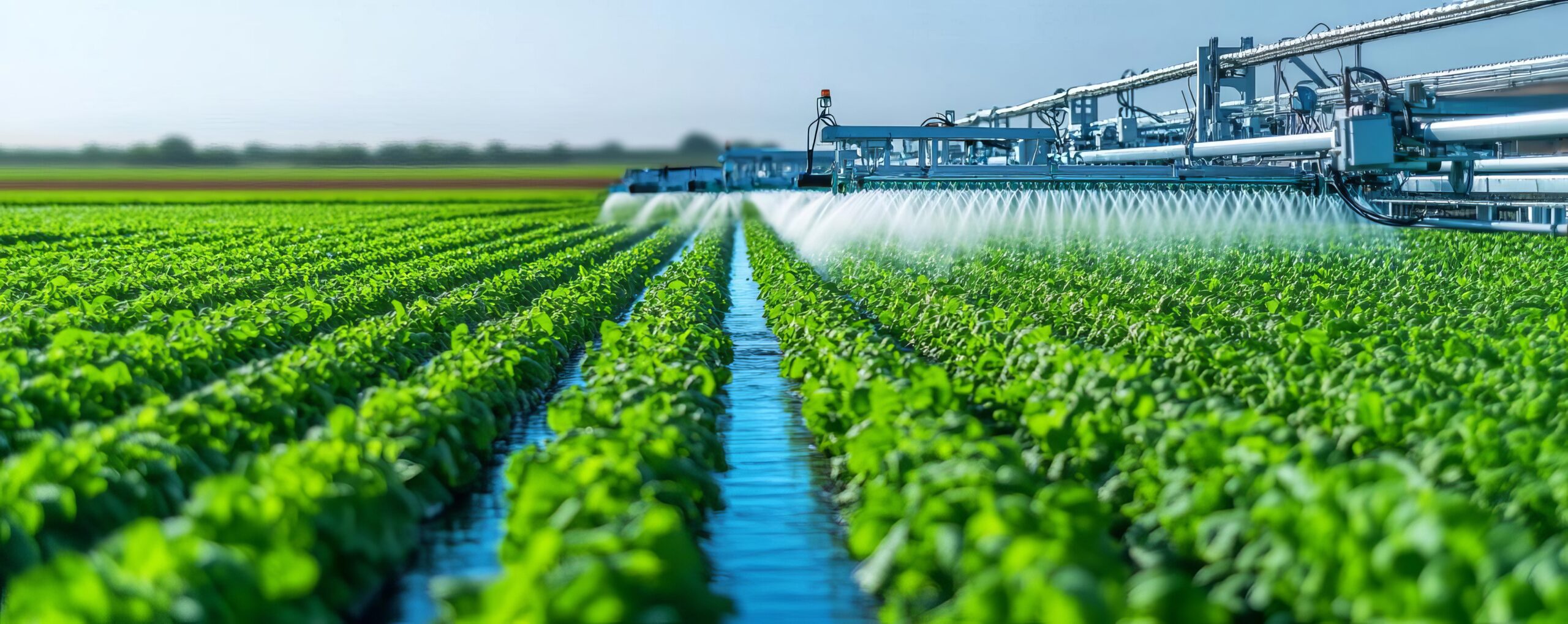
Shifts in climate are creating new hazards, notably the proliferation of mycotoxins under warmer and more humid conditions. Water scarcity and agricultural stress are prompting a revision of irrigation and water safety rules. Regulators are increasingly linking climate adaptation with food safety policies, signalling a systems-level approach to addressing these issues.